




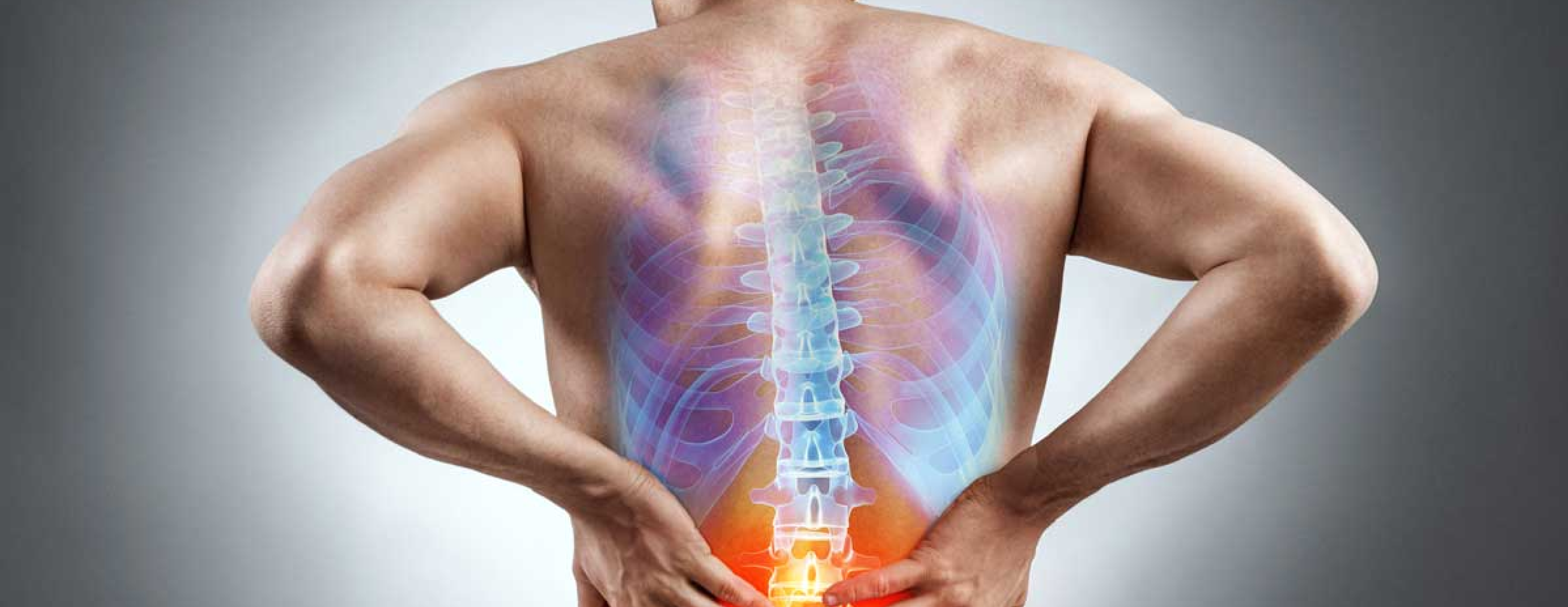
Spine Disc and Degeneration Surgery
Spine Disc and Degeneration Surgery in Ranchi, Jharkhand
The spine is made up of bones (vertebrae), nerves, and cushioning discs that allow flexibility and support for the body. Over time, due to aging, injury, or wear and tear, these spinal discs can degenerate, leading to pain, stiffness, and nerve compression. Degenerative spine conditions often result in herniated discs, spinal stenosis, or chronic back and leg pain.
Spine Disc and Degeneration Surgery is performed to relieve pain, restore stability, and improve mobility in patients whose symptoms do not respond to conservative treatments like medications, physiotherapy, or injections.
At Dr. Anoop Mohan Nair’s Orthopedic Clinic in Ranchi, we provide advanced surgical care for spine conditions, focusing on precision, safety, and early recovery, helping patients regain an active and pain-free life.
When Surgery is Needed
Surgery may be recommended when:
- Persistent back or neck pain affects daily activities
- Numbness, tingling, or weakness in arms or legs occurs due to nerve compression
- Herniated discs cause severe pain that does not improve with non-surgical treatment
- Spinal instability or deformity is detected
- Progressive neurological symptoms develop, such as difficulty walking or loss of bladder control
Early surgical intervention can prevent further nerve damage and improve overall quality of life.
Types of Spine Disc and Degeneration Surgeries
Depending on the condition, various surgical options are used:
- Discectomy – Removal of the herniated or damaged portion of the disc to relieve nerve pressure.
- Microdiscectomy – Minimally invasive removal of disc material using a microscope or keyhole technique.
- Spinal Fusion – Joining two or more vertebrae to stabilize the spine in cases of severe degeneration or instability.
- Laminectomy / Laminotomy – Removing a small portion of bone to decompress nerves in spinal stenosis.
- Artificial Disc Replacement – Replacing the damaged disc with an artificial one to maintain movement.
Dr. Nair carefully evaluates each patient with imaging studies and clinical assessment to choose the most suitable approach.
How the Procedure is Done
Spine surgeries are performed under general anesthesia.
- Minimally invasive techniques are preferred whenever possible to reduce tissue damage, pain, and recovery time.
- The herniated disc or degenerative tissue is removed, and the spine is stabilized if necessary using screws, rods, or plates.
- Incisions are closed, and patients are guided to begin early rehabilitation and physiotherapy.
Advanced surgical techniques allow precise correction, reduced complications, and quicker recovery compared to traditional open surgery.
Recovery and Rehabilitation
Recovery depends on the type and extent of surgery:
- Most patients start walking with support within 1–2 days after minimally invasive procedures.
- Pain and inflammation are managed with medications and supportive care.
- Gradual physiotherapy focuses on strengthening the back, improving flexibility, and retraining posture.
- Return to normal activities typically occurs within 4–8 weeks, while full recovery may take 3–6 months depending on the patient’s condition and adherence to therapy.
Dr. Nair’s team provides personalized rehabilitation plans to ensure safe healing and prevent future spine problems.
Benefits of Spine Disc and Degeneration Surgery
- Relief from chronic back, neck, and leg pain
- Decompression of affected nerves to reduce numbness and weakness
- Improved mobility, posture, and spinal stability
- Faster recovery with minimally invasive techniques
- Prevention of long-term disability and progression of spinal degeneration
With proper surgical care and rehabilitation, patients can regain confidence, strength, and active lifestyle.
Conclusion
Spine Disc and Degeneration Surgery is a safe and effective solution for patients suffering from persistent spinal pain, nerve compression, or instability.
At Dr. Anoop Mohan Nair’s Orthopedic Clinic in Ranchi, Jharkhand, patients receive advanced surgical care, precise techniques, and guided rehabilitation to ensure long-term relief, restored mobility, and a better quality of life.