




Comprehensive Hip Care by Dr. Anoop Mohan Nair – Expert Orthopedic Hip Surgeon in Ranchi, Jharkhand
The hip joint plays a vital role in everyday activities — from walking and standing to sitting and climbing stairs.
When hip pain, stiffness, or injury affects this important joint, it can make even basic movements difficult and impact your quality of life.
At Dr. Anoop Mohan Nair’s Orthopedic Clinic in Ranchi, we provide complete diagnosis and treatment for hip disorders, including fractures, arthritis, deformities, and joint degeneration. Dr. Nair specializes in both non-surgical and surgical hip treatments, including total hip replacement, to help patients regain mobility, comfort, and independence.
Understanding the Hip Joint
The hip is a ball-and-socket joint,where the ball (femoral head) at the top of the thigh bone fits into the socket (acetabulum) of the pelvis. This structure allows smooth and stable movement in all directions while supporting body weight during activities like walking or sitting.
Over time, injury, wear and tear, or certain diseases can damage the cartilage that cushions the joint. This leads to pain, stiffness, and limited motion — common signs of hip joint problems.
Common Hip Conditions We Treat
Dr. Nair’s clinic offers specialized care for all types of hip-related issues, including:
- Osteoarthritis of the Hip – Gradual wear and tear of the cartilage causing pain, stiffness, and swelling.
- Rheumatoid Arthritis – Autoimmune inflammation that affects the hip joint lining.
- Avascular Necrosis (AVN) of the Hip – Reduced blood supply to the femoral head causing bone death and collapse.
- Hip Fractures – Breaks in the upper thigh bone or pelvis, common in elderly patients due to falls.
- Developmental Dysplasia of the Hip (DDH) – Abnormal joint development in infants or young adults.
- Post-Traumatic Arthritis – Arthritis that develops after an accident or fracture.
- Hip Impingement (FAI) – Abnormal contact between hip bones causing pain during movement.
- Bursitis and Tendinitis – Inflammation of the soft tissues around the hip joint.
- Snapping Hip Syndrome – Clicking or popping sensation while moving the hip.
- Hip Dislocations and Sports Injuries – Traumatic or overuse injuries in active individuals.
Symptoms of Hip Disorders
You should consult an orthopedic specialist if you experience:
- Persistent hip or groin pain
- Stiffness or reduced range of motion
- Pain while walking, climbing stairs, or sitting
- Clicking or grinding sensation in the hip
- Shortening or outward turning of the affected leg
- Pain radiating to the knee or lower back
- Difficulty in standing or sleeping due to discomfort
Early diagnosis helps prevent joint deterioration and improves treatment outcomes.
Diagnosis and Evaluation
Dr. Anoop Mohan Nair performs a detailed clinical assessment and uses advanced diagnostic tools to determine the root cause of hip pain. These include:
- Physical examination and gait analysis
- X-rays to assess bone structure and joint space
- MRI or CT scans for soft tissue and cartilage evaluation
- Blood tests (for infection or arthritis-related inflammation)
A thorough diagnosis ensures a precise and personalized treatment plan for each patient.
Non-Surgical (Conservative) Hip Treatment
Not all hip conditions require surgery. Many cases can be successfully managed with non-surgical treatments, especially in early stages. Our Non-Surgical Management Includes:
Our Non-Surgical Management Includes:
- Medication: Anti-inflammatory drugs, pain relievers, and joint supplements.
- Physiotherapy: Strengthening exercises to improve flexibility and joint stability.
- Activity Modification: Avoiding strain, prolonged standing, or impact sports.
- Weight Management: Reducing body weight to ease pressure on the hip joint.
- Walking Aids (Cane/Walker): To reduce stress on the affected hip.
- Injections: In selected cases, local injections may help reduce inflammation.
- Heat / Cold Therapy: For temporary relief from muscle stiffness and pain.
These conservative approaches aim to control pain and delay the need for surgery.
Hip Surgery and Advanced Procedures
When the damage is severe or non-surgical treatment fails to relieve symptoms, surgery may be recommended. Dr. Anoop Mohan Nair offers advanced surgical solutions to restore joint function and improve mobility.
1. Hip Fracture Fixation
Fractures around the hip (neck of femur or acetabulum) are fixed using screws, plates, or rods depending on fracture type. Early surgery helps patients recover faster and reduces complications such as avascular necrosis or immobility.
2. Hip Osteotomy
A corrective procedure that reshapes bones to realign the hip joint and reduce pressure on the damaged area. It is often done in younger patients with early arthritis or deformities.
3. Hip Replacement Surgery (Total Hip Arthroplasty)
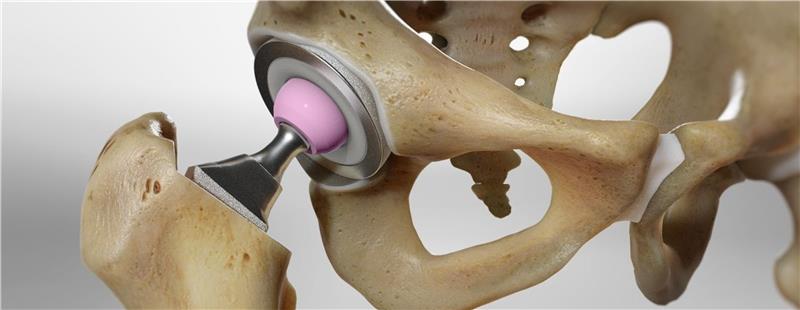
Hip Replacement Surgery is one of the most effective treatments for severe hip arthritis, AVN, or joint damage. It involves replacing the damaged parts of the hip joint with artificial implants (prosthesis) made of metal, ceramic, or high-quality plastic.
Procedure Overview:
- The damaged femoral head (ball) is removed and replaced with a metal or ceramic ball attached to a stem.
- The socket (acetabulum) in the pelvis is resurfaced and fitted with a smooth cup.
- The new artificial joint functions just like a natural one, allowing smooth, pain-free movement.
Benefits of Hip Replacement:
- Relief from chronic pain
- Improved joint mobility and flexibility
- Correction of deformity or leg length difference
- Enhanced ability to walk, climb stairs, and perform daily activities
- Long-lasting results (often 15–20 years or more with proper care)
When is Hip Replacement Recommended?
- Severe hip arthritis (osteoarthritis, rheumatoid arthritis, AVN)
- Persistent pain even after medication and physiotherapy
- Difficulty in walking or performing daily tasks
- Hip joint deformity or stiffness
- Hip fractures not suitable for fixation
Post-Operative Care and Rehabilitation
After hip surgery, rehabilitation plays a crucial role in restoring mobility and strength. Dr. Nair’s team provides a structured recovery and physiotherapy plan for every patient.
Post-Surgery Care Includes:
- Early mobilization (walking with support within a few days)
- Physiotherapy for muscle strengthening and balance
- Wound care and regular follow-up visits
- Advice on sitting, sleeping, and movement precautions
- Gradual return to daily and work activities
Most patients can resume light activities within 4–6 weeks and experience long-term improvement in comfort and mobility.
Why Choose Dr. Anoop Mohan Nair for Hip Treatment in Ranchi
- Specialist in orthopedic and joint replacement surgery
- Expertise in both non-surgical and surgical hip management
- Use of advanced implants and modern surgical techniques
- Personalized treatment plans tailored to patient needs
- Dedicated physiotherapy and rehabilitation support
- Patient-first approach ensuring safety and comfort
- With years of experience in managing complex hip conditions, Dr. Nair provides holistic care — from diagnosis to full recovery — helping patients regain active and pain-free lives.
Get Back to an Active Life with Expert Hip Care
Don’t let hip pain stop you from doing what you love.
Whether you need conservative care or a full hip replacement, Dr. Anoop Mohan Nair – Orthopedic Hip Specialist in Ranchi, Jharkhand, offers world-class treatment and compassionate care tailored to your needs.
📞 Book your consultation today and take the first step toward a pain-free, active lifestyle.