




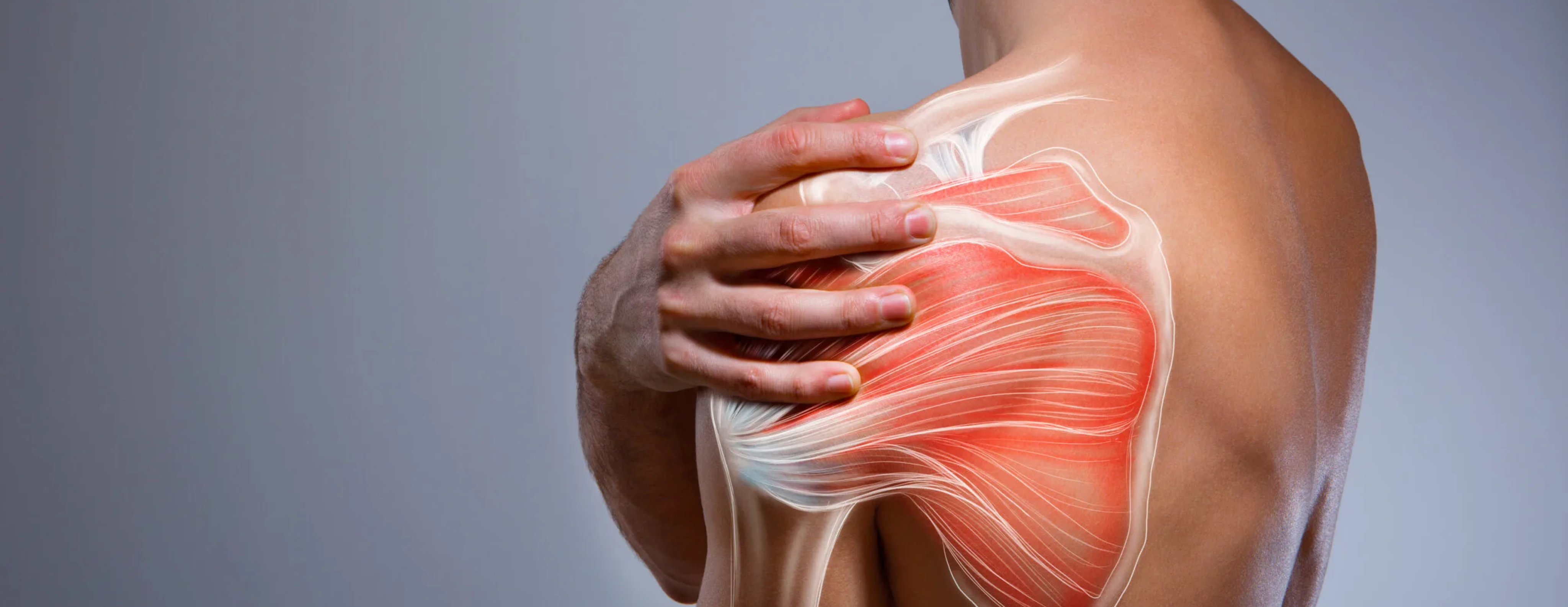
Arthroscopic Shoulder Labral Surgery, Rotator Cuff Surgery
Arthroscopic Shoulder Labral Surgery in Ranchi, Jharkhand
The shoulder joint is one of the most mobile joints in the body, allowing a wide range of motion. However, this flexibility also makes it prone to injuries — especially in athletes or individuals who perform overhead movements such as throwing, lifting, or repetitive reaching.
One common shoulder injury is a labral tear — a tear of the ring of cartilage (labrum) that surrounds the shoulder socket and helps keep the joint stable.
Arthroscopic Shoulder Labral Surgery is a minimally invasive procedure that repairs this damaged labrum and restores shoulder stability and function.
At Dr. Anoop Mohan Nair’s Orthopedic Clinic in Ranchi, we offer advanced arthroscopic techniques to treat shoulder labral tears with precision, minimal pain, and faster recovery.
Understanding the Shoulder Labrum
The labrum is a soft cartilage rim that deepens the shoulder socket (glenoid) and acts as a cushion and stabilizer for the shoulder joint.
When the labrum is torn due to trauma, sports injuries, dislocations, or repetitive stress, it can lead to:
- Pain during movement
- Shoulder clicking or catching
- A feeling of the shoulder “slipping out” or instability
- Weakness and limited range of motion
These symptoms often worsen over time if not treated properly.
When Arthroscopic Labral Surgery is Needed
- Conservative treatments like rest, medication, and physiotherapy fail to relieve symptoms.
- The patient experiences frequent shoulder dislocations or instability.
- There is a confirmed labral tear on MRI or diagnostic arthroscopy.
- The patient is an athlete or performs overhead activities (e.g., swimming, cricket, volleyball, weightlifting).
- Repairing the labrum restores joint stability, preventing future dislocations and protecting the shoulder from further damage.
Types of Shoulder Labral Tears Treated
At Dr. Nair’s clinic, the following labral injuries are commonly treated arthroscopically:
- Bankart Lesion: Tear in the front of the labrum, often caused by shoulder dislocation.
- SLAP Tear (Superior Labrum Anterior and Posterior): Occurs on the top of the labrum, commonly in athletes or people with repetitive overhead motion.
- Posterior Labral Tear: Affects the back of the shoulder, less common but often seen in contact sports.
Each case is carefully evaluated using imaging and clinical examination before planning the surgical repair.
How the Procedure is Done
Arthroscopic shoulder labral repair is performed under regional or general anesthesia. Here’s how the surgery is done:
- Small incisions (keyholes) are made around the shoulder joint.
- A tiny camera (arthroscope) is inserted, providing a clear view of the labrum and joint structures on a screen.
- Specialized surgical instruments are used to clean the torn edges and reattach the labrum to the bone using small anchors and sutures.
- Once the repair is complete, the instruments are removed, and the incisions are closed with small stitches.
Because it is minimally invasive, this method reduces pain, scarring, and recovery time.
Recovery and Rehabilitation
Recovery after arthroscopic labral surgery happens in stages and requires guided rehabilitation:
- Immobilization: The arm is placed in a sling for 3–4 weeks to protect the repair.
- Early Motion: Gentle, supervised movements start after 3–4 weeks to prevent stiffness.
- Strengthening: Gradual strengthening exercises begin after 6–8 weeks.
- Return to Sports: Most patients can resume sports or heavy activities within 4–6 months.
Dr. Anoop Mohan Nair’s rehabilitation team provides personalized physiotherapy programs to ensure safe recovery, improve shoulder strength, and prevent re-injury.
Benefits of Arthroscopic Shoulder Labral Surgery
- Minimally invasive with small incisions
- Less pain, swelling, and scarring
- Faster recovery and shorter hospital stay
- Restores shoulder stability and full range of motion
- Prevents future dislocations
- Enables safe return to sports and physical activities
With proper physiotherapy and follow-up, most patients regain complete shoulder strength and function.
Conclusion
Arthroscopic Shoulder Labral Surgery is a modern and effective solution for shoulder instability and labral tears, helping patients return to their active, pain-free lives.
At Dr. Anoop Mohan Nair’s Orthopedic Clinic in Ranchi, Jharkhand, advanced arthroscopic techniques, precise surgical care, and dedicated rehabilitation ensure excellent outcomes and long-term shoulder health.
Dr. Nair’s expertise helps every patient regain strength, stability, and confidence — one movement at a time.
Rotator Cuff Surgery in Ranchi, Jharkhand
The rotator cuff is a group of four muscles and tendons that keep the shoulder joint stable and allow smooth movement of the arm. Over time, injuries, overuse, or age-related wear can cause tears or inflammation in these tendons — leading to pain, weakness, and limited shoulder motion.
Rotator Cuff Surgery is performed to repair these damaged tendons, relieve pain, and restore full function of the shoulder.
At Dr. Anoop Mohan Nair’s Orthopedic Clinic in Ranchi, we specialize in arthroscopic rotator cuff repair — a minimally invasive procedure that ensures precision, safety, and faster recovery for patients of all ages.
When is Surgery Needed?
Surgery is recommended when:
- Shoulder pain persists despite rest, medications, and physiotherapy.
- You experience weakness while lifting or rotating your arm.
- There’s a complete or large rotator cuff tear seen in MRI.
- Shoulder movements cause sharp pain, especially at night.
- There is loss of function due to chronic or traumatic injury.
How the Procedure is Done
Rotator cuff repair is usually done arthroscopically, using small incisions and a tiny camera.
During the surgery:
- The damaged tendon edges are cleaned and reattached to the shoulder bone using small anchors and sutures.
- Any inflamed tissue or bone spurs causing friction are removed.
- The small incisions are closed, and the shoulder is supported in a sling for protection.
This keyhole technique minimizes scarring, reduces pain, and helps achieve better functional outcomes compared to open surgery.
Recovery and Rehabilitation
- First 4 weeks: Shoulder remains in a sling to allow healing.
- 4–8 weeks: Gentle passive movements to prevent stiffness.
- 8–12 weeks: Gradual strengthening exercises begin.
- 3–6 months: Most patients regain normal shoulder motion and strength.
At Dr. Nair’s clinic, each patient receives a customized rehabilitation plan to ensure safe and complete recovery.
Benefits of Rotator Cuff Surgery
- Reduces shoulder pain and inflammation
- Restores arm strength and flexibility
- Improves sleep and daily comfort
- Minimally invasive with faster recovery
- Prevents further tendon degeneration
- Allows return to sports, work, and normal activities
With modern arthroscopic methods and expert post-surgery care, patients can expect excellent long-term shoulder function.
Conclusion
Rotator Cuff Surgery is more than just a repair — it’s about restoring strength, motion, and confidence in your shoulder.
At Dr. Anoop Mohan Nair’s Orthopedic Clinic in Ranchi, Jharkhand, patients benefit from advanced surgical precision, personalized care, and structured rehabilitation — ensuring lasting relief and active living.